


Key Takeaways
- Creation science seeks to synthesize scientific inquiry and biblical teachings.
- It challenges the widespread perception of inherent conflict between science and faith.
- Educational and organizational efforts are critical to fostering informed perspectives about creation science.
Understanding Creation Science involves exploring the origins of the universe, life, and humanity through a lens that seeks harmony between faith and empirical observation. It is an area where questions of spirituality intersect with scientific inquiry, encouraging thoughtful reflection on how natural phenomena and theological principles may align. By examining evidence from fields such as biology, geology, and cosmology, creation science aims to foster a dialogue that respects both religious beliefs and scientific rigor.
Those interested in learning more can consult a comprehensive Christian creation science book that explores these themes in depth. Such resources provide insights into how faith-inspired perspectives can inform discussions of the natural world without dismissing the value of critical thinking and observation. Ultimately, creation science serves as a bridge, encouraging curiosity, understanding, and a nuanced appreciation of both knowledge and belief.
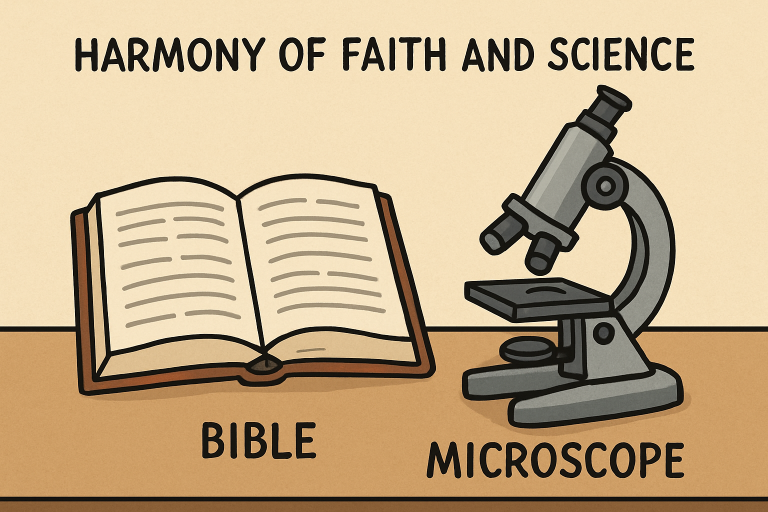
Addressing the Science-Faith Dichotomy
A longstanding misconception is that scientific exploration inevitably undermines religious faith. However, leading scientists and theologians have argued for a more harmonious relationship. For example, Dr. Francis Collins, a respected geneticist, has publicized his journey of embracing both scientific discovery and spiritual belief. In his work, he contends that science can illuminate the intricacies of creation, deepening one’s reverence and awe.
Such perspectives challenge the narrative of conflict and suggest that both disciplines, when properly understood, can inform and enrich one another. The dialogue between faith and science continues to evolve as new discoveries are made and society’s views on knowledge and meaning are reconsidered.
Educational Initiatives and Public Perception
Institutions like the Creation Museum have played a pivotal role in advancing public understanding of creation science. Through engaging exhibits and educational programs, they present scientific data interpreted within a biblical framework and encourage visitors to examine evidence from multiple angles. These initiatives strive to correct misconceptions and promote a more nuanced dialogue about faith, science, and origins.
Community engagement, online resources, and curricula tailored for educators serve to increase awareness and foster constructive conversations. By presenting the debate fairly, these educational efforts help individuals critically evaluate the strengths and challenges of both creationist and evolutionary models.
Scientific Inquiry Within a Creationist Framework
Creation scientists engage rigorously in research across diverse fields such as geology, biology, and astronomy. Their goal is to seek out evidence, such as sedimentary rock layers or genetic similarities, that can be interpreted as affirming the biblical account. With a focus on rapid geological processes and the sudden appearance of complex life forms, these scientists aim to offer alternative interpretations of widely accepted data.
By re-examining established findings through a creationist lens, they offer a distinctive voice in ongoing scientific debates. Though controversial, their contributions prompt ongoing inquiry and debate within both faith-based and secular contexts.
Challenges and Criticisms
The majority of the scientific community remains skeptical of creation science, often citing its reliance on faith-based premises rather than strictly empirical methods. Critics argue that its conclusions are predetermined, lacking the open-ended inquiry that characterizes the scientific method. Educational campaigns such as “Teach the Controversy” have sparked debates about the inclusion of intelligent design and creationist ideas in science classrooms, with most academic organizations asserting that these approaches do not align with established scientific consensus.
Nonetheless, supporters of creation science believe their views offer a necessary critique of mainstream paradigms and encourage a broader exploration of scientific evidence. The conversation surrounding creation science and intelligent design remains highly visible in both educational and public forums.
The Role of Faith in Scientific Exploration
For many creation scientists, faith acts as a starting point and ongoing motivation for study. They see research as an opportunity to uncover the order and beauty of creation, contributing to a deeper sense of purpose and awe. This philosophical approach does not necessarily reject the processes of science but instead frames them within the broader context of a divinely ordered universe.
This relationship between faith and the pursuit of knowledge inspires ongoing inquiry and reassures individuals that scientific pursuits need not undermine spiritual beliefs. Instead, both can work together to foster a more comprehensive understanding of reality.
Conclusion
Creation science presents a framework that seeks to unite biblical teachings with scientific discovery, offering fresh perspectives on questions of life and origins. While it faces considerable critique from conventional science, it continues to engage the curiosity of those who value both empirical investigation and spiritual conviction. Through ongoing research, education, and dialogue, creation science remains a dynamic part of the larger conversation about humanity’s place in the universe.
