

A well-maintained roof is essential for protecting a home from the elements, but many homeowners may overlook early warning signs that indicate potential problems. Ignoring issues can lead to more extensive damage, costly repairs, and even safety concerns. Recognizing the subtle and obvious signs that a roof is struggling can help prevent these outcomes and ensure the structure remains sound over time. From minor leaks to visible wear, understanding what to look for can save both time and money.
Addressing problems promptly often involves roof repair, which can restore the structure’s integrity before damage spreads. Common indicators, such as missing shingles, water stains, sagging areas, or granule buildup in gutters, are often early signs that professional attention may be needed. Staying vigilant and responding quickly to these warning signs helps maintain a secure and durable roof, protecting the home and its occupants from potential hazards.
Visible Shingle Damage
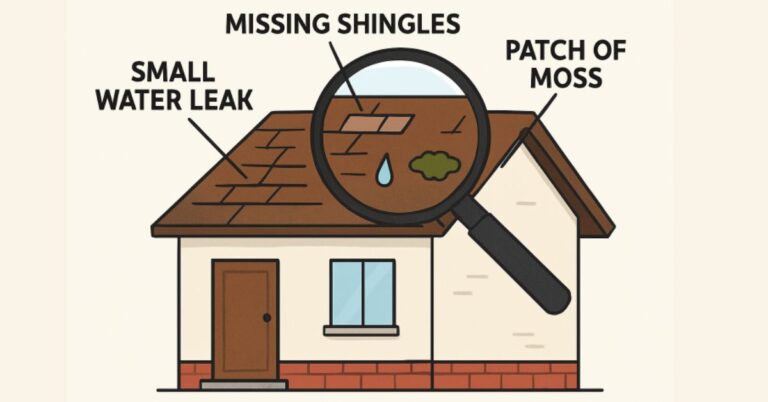
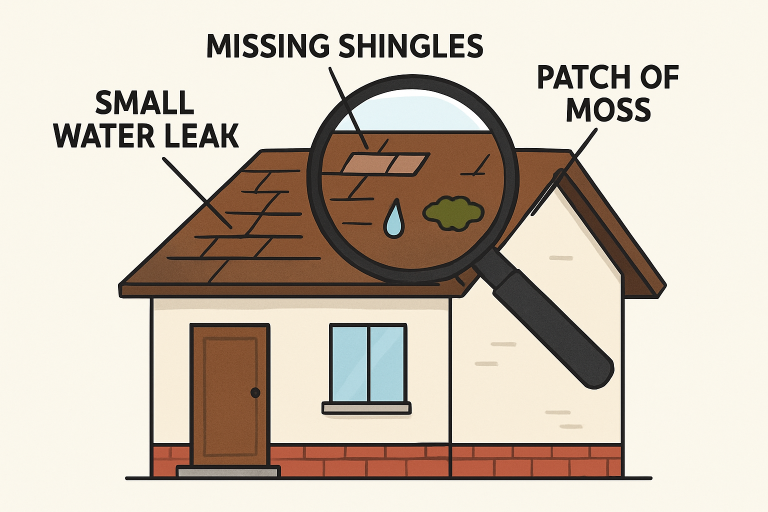
One of the most common—and overlooked—warning signs is visible shingle damage. Walk around your home and scan the roof, noting any shingles that are missing, curled, cracked, or appear discolored. Shingles serve as your first defense against rain and debris, so even minor issues can let water in, leading to leaks and interior damage.
- Look for loose or exposed nail heads, which indicate that the shingles may be shifting.
- If areas feel soft or spongy underfoot, this could mean moisture has seeped underneath, weakening the structure.
- Uniform coloring is crucial—streaks or patches could indicate granule loss or inadequate protection in certain areas.
Sharp eyes and regular checks can save you from bigger problems that develop from seemingly minor shingle issues.
Water Stains and Interior Leaks
If you notice brown or yellow water stains on ceilings or walls inside your home, don’t ignore them. These discolorations typically indicate water penetration and potential mildew growth. Water can enter the structure from missing shingles, damaged flashing, or gaps in the roof deck. Locating and repairing the source quickly is crucial to prevent mold and rot, both of which can pose health risks and necessitate expensive remediation. In cases where damage is extensive or recurring, a full roof replacement may be necessary to ensure long-term protection and prevent ongoing leaks.
Sagging Roof Sections
A sagging roof is a severe sign that typically indicates damaged or weakened roof decking, framing, or structural supports—potentially due to long-term moisture exposure. If you notice dips or curves forming along your roofline, take action immediately. This issue almost always requires professional intervention, as it threatens the entire house’s stability. Structural repairs—and often complete replacement—are necessary if sagging is detected, so immediate attention is critical.
Daylight Through the Roof Boards
During an attic check, if you spot streams of daylight filtering through the roof boards, this is a red flag for structural compromise. Gaps in the boards not only lead directly to leaks but also indicate significant moisture damage or wood rot. Immediate inspection and repairs are vital to restore both the waterproofing and structural soundness of your home.
Damaged Flashing
Flashing forms a watertight barrier around chimneys, vents, skylights, and valleys. Over time, flashing can crack, corrode, or become dislodged, making these vulnerable areas especially prone to leaks. Complex rooflines or older homes with multiple layers of roofing can experience exceptionally high wear on flashing. Timely repair or replacement of flashing maintains your home’s barrier against the elements.
Moss, Algae, or Mold Growth
Moss, algae, or mold growing on your shingles is typically a sign of excess moisture, especially in shaded or north-facing areas. These organisms can break down roofing materials over time, introducing further hidden moisture damage. Keeping these growths in check through periodic cleaning, trimming overhanging branches to improve sunlight exposure, and scheduling regular roof inspections can help preserve both the appearance and integrity of your roof. For more tips on how moisture and organic growth can impact your home, consult resources from This Old House.
Increased Energy Bills
An unexpected rise in your heating or cooling bills could be caused by unseen roof damage. Warm air can escape in winter or hot air can infiltrate during summer if your attic insulation is compromised by roof leaks or inadequate ventilation. Sealing your home’s envelope restores energy efficiency and helps maintain indoor comfort throughout the year.
Conclusion
Your roof serves as a shield, but it can only protect your home if you remain attentive to early warning signs and invest in timely repairs. Routine checks and immediate response to damage maintain both the safety of your household and the value of your investment. Whether you need a simple repair or full replacement, proactive maintenance helps prevent minor concerns from becoming major crises.
