

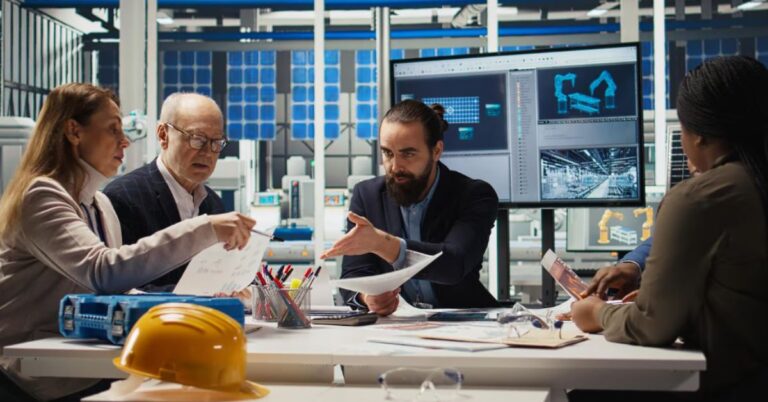
In today’s rapidly evolving construction and manufacturing landscape, companies face mounting pressure to deliver projects swiftly and efficiently. High-demand projects, characterized by tight deadlines and unpredictable requirements, necessitate rapid access to specialized equipment. Leveraging plate and frame rental options can offer businesses a streamlined way to meet these challenges, providing the flexibility and resources needed to thrive in volatile markets. Rather than committing to hefty equipment purchases, organizations can secure the right tools for the job when and where they are most needed.
This approach not only brings immediate operational benefits but also positions companies to manage their long-term risk. By choosing rentals over ownership, project managers can maintain budget discipline while accommodating unique and fluctuating project needs. Further, by avoiding substantial capital outlays for equipment that may only be used sporadically, businesses gain the agility to respond to evolving market demands and accelerating project cycles.
Short-term equipment rentals are increasingly seen as essential for organizations seeking to maximize operational efficiency. Below, we explore the compelling benefits of this strategy and how it addresses current industry challenges from labor shortages to supply chain disruptions, all while keeping companies compliant with shifting regulatory demands.
Incorporating a flexible rental approach is not just a matter of convenience; it is a strategic imperative for success in today’s high-demand project environment. By doing so, companies can operate nimbly while securing immediate access to top-tier equipment and emerging technologies.
Benefits of Short-Term Equipment Rentals
One of the most significant advantages of short-term equipment rentals is cost efficiency. For many projects, purchasing new machinery represents a major capital investment that can strain budgets, especially when the equipment will not be regularly used after project completion. Rentals eliminate these hefty upfront expenses, making them particularly attractive to firms with constrained budgets or rapidly changing project scopes.
Flexibility is another key benefit. Rental providers offer a diverse selection of machinery, allowing companies to select equipment that is precisely suited to the current project’s requirements. This selection process avoids the long-term commitment and depreciation associated with ownership, allowing businesses to remain nimble as job-site needs evolve.
Maintenance and storage savings deepen the financial benefits of equipment rental. Most agreements include routine maintenance, reducing downtime and unexpected costs for renters. Companies also sidestep the logistical burden of maintaining, storing, and insuring large equipment fleets, reducing both operational risk and overhead.
Addressing Supply Chain Challenges
Recent global supply chain disruptions have exposed vulnerabilities across many industries, particularly for projects that require timely access to critical components. Lead times for essential electrical machinery and transformers have stretched to over two years in some cases, stalling vital projects and inflating costs (Reuters). Short-term rentals provide a critical workaround, enabling companies to fill equipment gaps instantly rather than waiting months or even years for new units to arrive.
Adapting to Labor Shortages
Widespread labor shortages, especially in construction, are accelerating the trend towards mechanization and smart automation. Access to cutting-edge technology, such as autonomous equipment or advanced telematics, is crucial for boosting productivity and compensating for a shortage of skilled workers. Rentals enable even smaller firms to utilize the latest innovations and maintain a competitive edge without being locked into expensive purchases or long-term contracts.
Implementing Micro-Rental Models
The industry is also witnessing the rise of micro-rental models, hour-based or task-focused arrangements, offering enhanced flexibility for contractors and project managers. Micro-rentals allow companies to pay only for the hours or days in which the equipment is actively required, rather than for the entire duration of a project. This approach is proving to be a game-changer for specialized or intermittent tasks, helping firms to avoid unnecessary rental spending and maximize the utilization of every dollar spent.
Enhancing Project Scalability
One of the hallmarks of high-demand projects is their tendency to fluctuate in scope and intensity. Companies need to be able to mobilize quickly and scale equipment resources up or down as required. Short-term rentals provide that critical scalability ensuring that resources always fit the size and speed of the project and allowing organizations to take on additional work without delay or capital constraints.
Ensuring Compliance with Environmental Regulations
With environmental regulations tightening worldwide, meeting emissions standards and safety requirements can be costly. Rentals allow companies to access the latest, fully compliant equipment, ensuring operational compliance without the ongoing investment in upgrades or retrofits. This approach minimizes compliance risk and assures clients and regulators that operational best practices are being followed.
Conclusion
In summary, integrating short-term equipment rentals into project strategy offers a robust pathway for tackling the many demands of today’s high-stakes construction and manufacturing projects. By delivering unmatched cost savings, flexibility, streamlined resource management, and compliance assurance, this model empowers organizations to navigate labor shortages, supply chain upheavals, and regulatory changes. The end result: projects that are delivered more efficiently, on time, and on budget, setting the stage for long-term business resilience and success.
