

Key Takeaways
- IPM integrates multiple methods to manage pests sustainably.
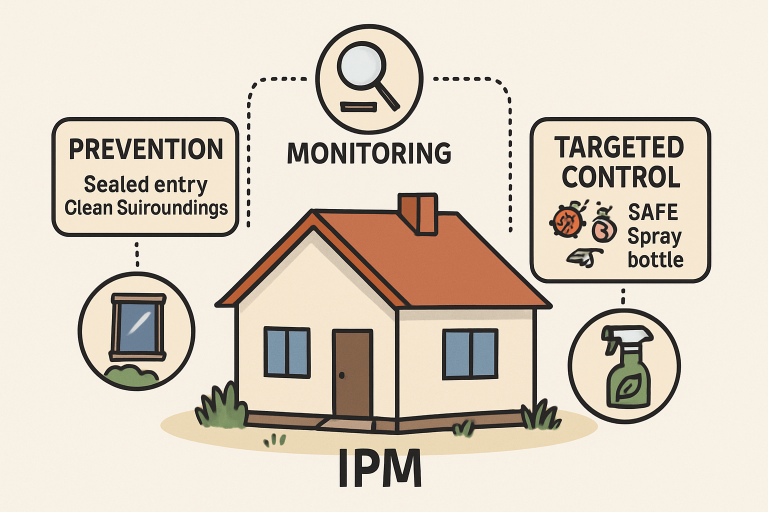
- It emphasizes prevention, monitoring, and targeted control.
- IPM reduces reliance on chemical pesticides, promoting environmental health.
- Implementing IPM can lead to long-term cost savings and healthier living environments.
Integrated Pest Management (IPM) offers homeowners and business operators an innovative and sustainable solution to pest challenges. Unlike traditional pest control, which often relies heavily on chemical pesticides, IPM merges science-based strategies for long-term pest prevention and control. Early adoption of IPM not only reduces the environmental impact but also benefits occupants’ health and property values. For those seeking a holistic approach to property maintenance, understanding and utilizing pc repair specialist Brentwood, TN, can enhance your efforts by ensuring your property’s well-being on all fronts—technological as well as environmental.
Today’s property managers and homeowners face increasing knowledge demands about pest biology, safe pesticide use, and alternative methods. Thus, IPM is quickly becoming the gold standard, addressing these needs through a system that emphasizes prevention, regular monitoring, and targeted, low-risk solutions. With the foundation of IPM, families and organizations can feel confident in their pest control practices while minimizing overall risks. Implementing this method also contributes to improved community health.
Understanding Integrated Pest Management
The USDA defines IPM as “a sustainable approach to managing pests by combining biological, cultural, physical, and chemical tools in a way that minimizes economic, health, and environmental risks.” The IPM philosophy is rooted in scientific decision-making and employs knowledge of pest biology, environmental conditions, and available management strategies to keep pest populations below harmful levels. At its core, IPM is proactive rather than reactive—meaning it seeks to prevent problems before they start, reducing the need for urgent interventions.
Some key components of IPM are detailed in the EPA’s Principles of Integrated Pest Management. By combining biological controls (using natural enemies of pests), cultural adjustments (changing the environment to make it less attractive to pests), and resorting to chemical control only when necessary, IPM maintains a delicate balance that favors both human and environmental health.
Core Components of IPM
- Prevention: The foundation of IPM is preventing pest problems. By removing food, water, and shelter, and sealing entry points, property owners can make their environments less inviting to pests before issues arise. Good sanitation, proper waste management, and regular maintenance are key practices.
- Monitoring: Routine inspections and monitoring help detect pest activity early. Tools such as traps and visual inspections allow operators to identify pest species, locate problem areas, and assess population size, thereby informing effective decision-making later.
- Control: When an infestation is identified, IPM calls for the safest and most effective methods. Biological controls include introducing beneficial insects or microorganisms that naturally attack pests. Physical controls may involve barriers or traps. If chemical solutions are required, IPM recommends targeted, low-toxicity options as a last resort, significantly reducing risks compared to widespread pesticide application.
Benefits of Implementing IPM
- Environmental Safety: Limiting the use of chemical pesticides helps protect beneficial insects, pollinators, and aquatic environments from harmful residues. This approach also decreases the risks of pesticide resistance and contamination.
- Health Protection: IPM limits human exposure to harmful chemicals, making homes and workplaces safer, especially for children, pets, and sensitive individuals. The focus on cleanliness and exclusion also discourages disease-carrying pests.
- Cost Efficiency: Investing in long-term solutions like maintenance and monitoring often leads to lower costs over time, as reactive emergency treatments are used less frequently and major infestations are less likely to occur.
Steps to Implement IPM in Your Property
- Assessment: Begin by thoroughly inspecting both the interior and exterior areas for potential pest entry points, existing issues, and conducive conditions (such as standing water or clutter).
- Planning: Create a custom pest management plan. Take into account your property’s unique features and vulnerability to specific pests. Set action thresholds that trigger interventions.
- Implementation: Apply preventive measures first, such as physical exclusion, environmental modifications, and routine sanitation. Follow up with ongoing inspection and documentation to record pest sightings and actions taken.
- Evaluation: Regularly review your pest management outcomes. Adjust strategies based on data collected, changing environmental conditions, or new pest threats. This ongoing process refines and strengthens your IPM plan over time.
Challenges and Considerations
Transitioning to IPM does require sustained commitment. Continuous monitoring can be resource-intensive, and there’s often an initial learning curve for staff or residents new to these concepts. Some pests may require a combination of control methods to resolve the problem. However, research has consistently shown that the investment pays off in reduced chemical use, decreased pest populations over the long term, and enhanced community safety.
Conclusion
Integrated Pest Management is an essential step forward for anyone seeking a comprehensive, eco-friendly approach to pest control in homes and businesses. By prioritizing prevention and sustainability, IPM practices support healthier living and working environments. Implementing IPM can transform pest management from a reactive, chemical-dependent process into a proactive, holistic strategy—benefiting people, properties, and the planet.
