


Key Takeaways:
- Understanding your legal rights is essential for safeguarding yourself during legal disputes.
- Recent changes and court decisions can influence the way rights are interpreted and enforced.
- Having competent legal representation greatly affects the outcome of both civil and criminal cases.
- Awareness and advocacy are vital to overcoming challenges in the justice system.
Understanding Your Legal Rights
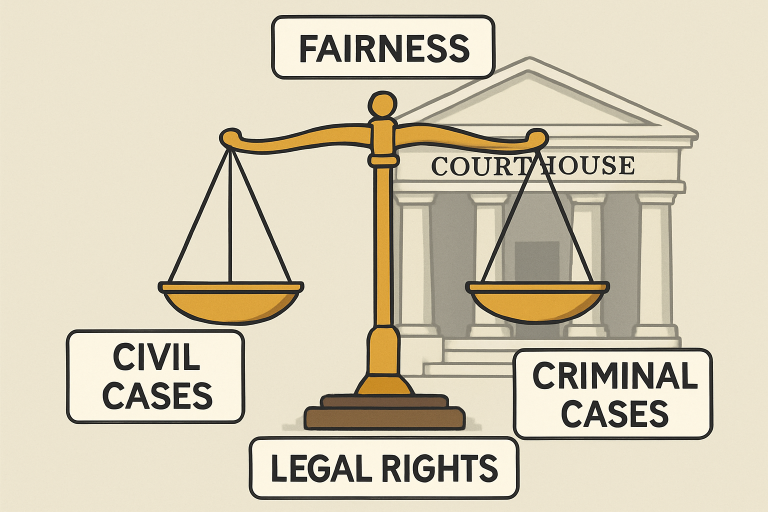
No matter which side of a legal conflict you find yourself on, your first line of defense is awareness of your rights. For individuals facing criminal charges, constitutional protections such as the right to remain silent and the right to be represented by an attorney are fundamental. In civil cases, protections include due process and equal protection under the law, though specific rights will depend on the nature of the dispute. If you’re navigating a lawsuit or legal challenge, consulting a civil lawyer Portland OR can help you make informed decisions and safeguard your interests.
Understanding your rights not only empowers you to act confidently but also enables you to identify when those rights are at risk. Without this foundational knowledge, you may inadvertently waive crucial legal protections or fail to recognize a violation, which can have lasting consequences in both civil and criminal cases.
For those involved in a civil matter, it’s important to note that while you may not have the same constitutional protections as in criminal cases, you are still granted significant rights. Courts provide both parties with the opportunity to present evidence, question witnesses, and appeal decisions, all of which are intended to ensure fairness and justice throughout the process.
Additionally, it pays to stay alert to any unique state or local laws that could affect your situation, as legal requirements and rights can vary by jurisdiction. Developing a close relationship with legal counsel can further ensure you understand how these differences apply to your case.
If you want to gain a deeper understanding of your fundamental rights across different types of legal proceedings, the New York Times U.S. section is an excellent resource for tracking evolving legal standards and high-profile court cases.
Recent Legal Developments
Legal systems are constantly adapting as court rulings and legislative changes reshape how rights are defined and protected. A notable example is a recent decision by a Washington state appeals court affirming the constitutionality of firearm surrender orders in domestic violence cases. The court’s ruling highlights how the law strives to balance individual rights with the imperative of public and victim safety, and why staying informed about current legal developments is so important for anyone involved in the justice system.
High-profile legal decisions, such as those on Miranda rights or the scope of police searches, can also set precedents that influence national policy for years to come. By keeping up with reputable news sources and legal updates, you can respond proactively as changes affecting your rights are enacted.
In some instances, major changes occur at the federal level, such as new Supreme Court interpretations that affect due process, privacy, or equal protection. Both individuals and businesses must remain aware of these shifts, as they may impact how cases are argued or defended in court.
The Role of Legal Representation
Access to competent legal counsel is a key factor in ensuring your rights are fully protected. In criminal cases, the right to an attorney is a constitutionally mandated safeguard one that ensures you get a fair trial and aren’t left to navigate the complexities of the criminal justice system alone. Your lawyer will explain the charges against you, develop a defense strategy, and negotiate on your behalf.
In the arena of civil law, the situation can be more complicated. Although you may not always be entitled to court-appointed representation, seeking out a qualified attorney to advocate for your interests is highly advisable. Legal issues such as contract disputes, personal injury claims, or family law matters can be daunting without expert guidance.
Research consistently shows that people who seek legal help achieve more favorable outcomes than those who go it alone. Whether it’s negotiating settlements, representing you in court, or helping you understand complicated statutes and regulations, legal counsel makes a clear difference.
Challenges in the Legal System
Despite robust constitutional protections, the legal system is not without flaws. Investigative reports and court cases occasionally reveal instances in which law enforcement or other officials overstep legal boundaries such as excessive force, denial of appropriate legal counsel, or discriminatory practices. Such violations stress the need for vigilance, oversight, and reform.
People in marginalized communities are often most vulnerable to lapses in justice. Systemic issues such as underfunding of public defenders, delays in court proceedings, or disparities in sentencing can put the constitutional rights of many Americans at risk.
Staying informed, keeping records of official interactions, and promptly seeking professional legal advice are effective ways to protect yourself if you encounter such challenges.
Advocacy and Civil Rights
Ongoing effort by advocacy organizations plays an essential role in protecting civil liberties and correcting systemic failures. Groups such as the American Civil Liberties Union (ACLU) work tirelessly to challenge unjust laws, expose unconstitutional practices, and promote legal reforms at every level. Their efforts cover everything from prisoners’ rights and fair trial standards to broader battles against systemic discrimination.
Collective awareness and advocacy help ensure the evolution of law is geared toward equity and justice. By supporting these organizations, volunteering, or staying informed, you contribute to a more just legal system for everyone.
Conclusion
Protecting your rights in civil and criminal cases requires more than just knowing the law it demands a proactive approach to staying informed about legal developments, seeking knowledgeable legal representation, and standing up against injustice. By making use of available resources and expert counsel, you maximize your ability to navigate the complexities of the legal system and assert your rights when it matters most
